Learn essential TSA regulations, international laws, and expert packing tips for traveling with CBD products, oils, gummies, and capsules safely.
Traveling with CBD can be straightforward if you understand the rules for your product and destination. Hemp-derived CBD products are widely available in the United States, but that does not mean every CBD product is legal everywhere. Air travel also involves separate requirements for liquids, batteries, and other items.
Before leaving, check the laws where you are departing from, where you are traveling to, and, for international trips, where you will enter or transit. Choose clearly labeled, lab-tested products, keep them in their original packaging, and carry documentation that verifies their contents.
What CBD Travelers Should Know
Cannabidiol (CBD) is a compound found in the cannabis plant. Hemp-derived CBD comes from hemp, a type of cannabis defined under U.S. federal law as containing no more than 0.3% delta-9 THC by dry weight. Tetrahydrocannabinol (THC) is the cannabis compound associated with intoxication.
The 0.3% THC threshold is important, but it does not mean that every product containing less than 0.3% THC is automatically legal everywhere. State laws, international regulations, product formulations, and rules concerning cannabis-derived products can differ.
When traveling, keep CBD in its original, clearly labeled packaging. A third-party certificate of analysis (COA) can also be useful. A COA provides laboratory information about a product's cannabinoid content and may help demonstrate that it has been independently tested.
Can You Fly With CBD?
In the United States, the Transportation Security Administration (TSA) states that products containing hemp-derived CBD with no more than 0.3% THC on a dry-weight basis, or FDA-approved cannabis-derived products, are generally permitted in both carry-on and checked bags. However, TSA's role is primarily transportation security. Other federal, state, or local laws may still apply.
State laws can differ considerably, so legality at your departure airport does not necessarily mean the same product is permitted at your destination. Airline policies may also impose additional restrictions.
Before departure, check the current rules for your destination and airline, particularly if you are traveling across state lines. If you are unsure about a product's legal status, leaving it at home is the safer option.
TSA & Airport Security Rules to Follow
CBD products are subject to the same general airport screening rules that apply to other products in your luggage.
For carry-on bags, liquid CBD products such as oils and tinctures generally need to comply with TSA's liquids rule. Containers must be no larger than 3.4 ounces (100 mL) and fit within the required transparent quart-sized bag for liquids.
Keep CBD products accessible rather than burying them underneath other belongings. If a security officer asks about an item, answer clearly and present the product and its documentation if requested. Do not assume that concealing a CBD product will make screening easier.
Which CBD Product Should You Choose for Travel?
The best CBD format depends on how much you need, how often you use it, and the rules at your destination.
Non-liquid products are often the simplest choice for air travel because they avoid the carry-on liquid restriction. CBD capsules and gummies can be compact and convenient, while topicals may be useful when you want a product for localized application.
For destinations with particularly strict cannabis regulations, a THC-free CBD product may be preferable. However, "THC-free" should not be treated as a guarantee of legality. Check the laws that apply to the specific destination and product before traveling.
Travel-sized products can also reduce what you need to pack and make it easier to organize your belongings.
CBD Gummies & Edibles
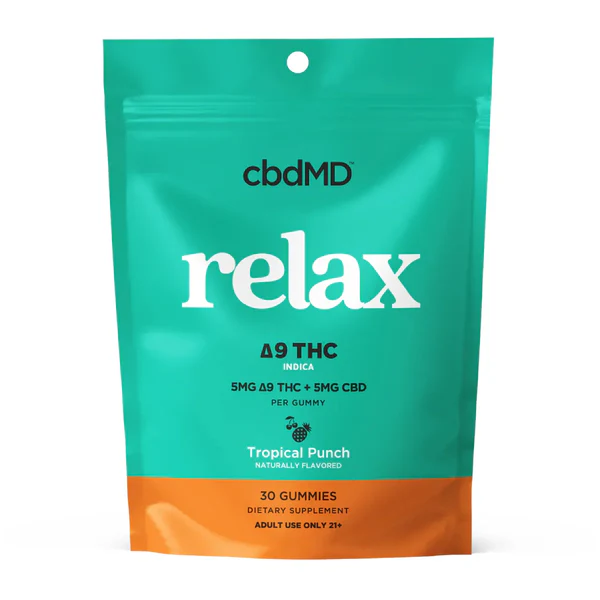
CBD gummies and other edibles are convenient for travel because they aren't subject to the same liquid restrictions as CBD oils. They can also be easier to pack when you want a measured serving.
Keep gummies in their original, sealed packaging rather than transferring them into an unmarked container. Clear labeling can help identify the product and its ingredients if questions arise.
Remember that being a solid does not automatically make a CBD edible legal at your destination. Some jurisdictions regulate CBD and cannabis-derived foods differently from other CBD products. Check the applicable laws before packing gummies or other edibles, particularly when traveling internationally.
CBD Oils & Tinctures
CBD oils and tinctures require more planning because they are liquids. If you want to carry a tincture in your carry-on bag, the container should be no larger than 3.4 ounces (100 mL) and should comply with applicable airport liquid-screening requirements.
If you are bringing additional oil, you may be able to place it in checked baggage when permitted by the airline and applicable law. Protect bottles against leaks by keeping them tightly closed and placing them in a sealed bag or leakproof container.
For CBD oils, carrying a third-party COA can be particularly useful because it provides laboratory information about the product's cannabinoid profile. Keep the COA accessible on your phone or as a printed copy.
CBD Capsules
CBD capsules are one of the more convenient formats for travel. They are compact, liquid-free, and pack without taking up much space.
Keep capsules in their original labeled container whenever possible. The label should identify the product and its contents. You can also note the product and intended amount on your packing list so you know exactly what you have packed.
As with other CBD products, check the laws at your destination rather than assuming that capsules are permitted simply because they are not liquids.
CBD Topicals & Creams
CBD creams, balms, and other topicals can be useful for travelers who prefer a product for localized application. They may also be convenient to have available during a long journey when you want to apply a topical to an area affected by temporary muscle discomfort or stiffness.
For carry-on travel, creams and other products considered liquids, gels, or aerosols generally need to follow the 3.4-ounce (100 mL) rule. Keep the original label visible and place the product with your other liquids as required.
A clearly labeled container is preferable to an unlabeled travel jar, particularly when you are passing through airport security.
Vapes, Batteries, and Restricted Items
CBD vape products require additional attention because airlines have specific rules concerning electronic cigarettes, vape devices, and lithium batteries. Vape devices generally need to be carried in the aircraft cabin rather than placed in checked baggage.
Follow your airline's instructions regarding battery removal, protection, and storage. Never pack loose batteries in a way that could allow them to contact metal objects.
Avoid THC vape cartridges when traveling, particularly when you are uncertain about the laws governing cannabis products. A product sold legally in one location does not mean you can legally transport it to another.
International Travel: Can You Travel With CBD Internationally?
International CBD travel requires considerably more caution than domestic travel. Countries can have very different definitions and restrictions for hemp, CBD, cannabis, and THC. Some countries permit certain CBD products under specific conditions, while others impose strict restrictions or prohibit cannabis-derived products altogether.
Research the laws of your destination before you travel. Also consider transit countries if your itinerary involves a connection where you may need to pass through customs.
If the legal status of CBD is unclear or restrictions are particularly strict, do not bring the product. Buying a product locally is only an option where local law clearly permits its sale and possession. Do not assume that a product legal in the United States will receive the same treatment elsewhere.
How to Buy CBD Before Travel
If you need CBD before a trip, buy from a reputable brand that provides accessible third-party laboratory testing. A COA should provide useful information about the product's cannabinoid content rather than simply making general claims about quality.
Look for brands that provide farm-to-bottle transparency, clear ingredient information, batch-specific testing, and identifiable product labeling.
Travel-sized products or single-use formats can make packing easier, but convenience should not come at the expense of clear labeling or reliable testing.
If TSA or Authorities Question Your CBD
If an airport security officer or other authority asks about your CBD, remain calm and cooperative. Don't argue about the product's legality based solely on what you have read online.
Have your product in its original packaging and keep the COA available on your phone or as a printed document. A receipt or other proof of purchase may also help, especially if it clearly identifies the product.
Documentation cannot override a destination's laws, but it can help establish what the product is and what it contains.
Practical Tips for Bringing CBD
A little organization can make CBD easier to manage while traveling.
- Keep CBD products in an easy-to-reach part of your luggage.
- Keep original packaging and labels intact.
- Create a small travel document folder containing COAs and receipts.
- Store CBD oils and tinctures in leakproof bags or containers.
- Keep carry-on liquids within the applicable size limits.
- Check your airline's current requirements for vapes and batteries.
- Review destination-specific laws before every trip rather than relying on previous travel experience.
Quick Packing Checklist
Before leaving, confirm that you have:
- Original packaging for each CBD product
- Printed or digital COAs for products where available
- Receipts or proof of purchase when available
- A transparent quart-sized bag for carry-on liquids
- Leakproof protection for CBD oils and tinctures
- Properly stored vape devices and batteries, if permitted
- Only the amount you reasonably need for the trip
Final Recommendations
The simplest approach to traveling with CBD is to choose clearly labeled, third-party lab-tested, hemp-derived products and verify the rules before you leave. Keep products in their original packaging and carry the relevant COAs so you can readily identify what you are carrying.
For air travel, non-liquid formats such as capsules and gummies can simplify packing, while oils and creams require attention to liquid limits. Vape products have separate battery and carry-on requirements.
Most importantly, do not treat U.S. federal hemp rules as a universal travel rule. State and international laws can differ substantially. For international trips, particularly to destinations with strict cannabis laws, erring on the side of caution is the safest choice.